

Parenting a toddler is a rollercoaster — full of giggles, meltdowns, power struggles, and those heart-melting moments you wish you could bottle up forever. At this age, toddlers are figuring out how the world works. And while their behavior can sometimes leave you scratching your head, there’s always a reason behind it.
Here’s the truth: we don’t have to control every move they make. In fact, giving toddlers space to make choices (within safe limits, of course) can help them grow into confident, capable little humans. In this guide, we’ll break down why toddlers act the way they do, why respecting their decisions matters, and how to create a more peaceful, empowering parenting experience for both of you.
Why Understanding Toddler Behavior Changes Everything
If you’ve ever wondered why your toddler says “no” 86 times a day or melts down because their banana broke in half, you’re not alone. Toddlers are in the middle of some seriously big developmental leaps.
🌱 Cognitive and Emotional Growth
Your toddler’s brain is growing faster than it ever will again — especially in areas like emotion regulation, impulse control, and communication. They feel big emotions but don’t always have the tools to express them. Cue: tantrums.
✨ Independence Kicks In
Around age two, toddlers discover they’re separate from you — and they love it. “Me do it!” becomes their daily mantra. It’s not defiance. It’s growth. And it’s important to let them explore that independence (even if it means slower mornings).
🎓 Learning Through Trial and Error
Saying “no,” refusing help, or pushing limits isn’t just annoying — it’s how toddlers learn cause and effect. They’re experimenting with what happens when they make choices and where the boundaries are.
Common Toddler Behaviors (and What They’re Really Telling You)
Let’s decode a few of the most common toddler moves:
- Saying “No” – This isn’t rebellion. It’s their way of expressing autonomy and trying out their voice.
- Tantrums – Big emotions + limited vocabulary = meltdown. They’re not trying to upset you; they’re overwhelmed.
- Testing Boundaries – Totally normal. They’re learning rules and watching your reactions.
- Attention-Seeking – Toddlers thrive on connection. Sometimes they act out just to feel seen.
How to Respect Your Toddler’s Decisions (Without Losing Your Mind)
Respecting a toddler’s decisions doesn’t mean giving them everything they want, but rather empowering them to make choices iRespecting their choices doesn’t mean letting them run the show — it means giving them safe ways to practice independence. Here’s how:
1. Offer Two Choices
Too much freedom overwhelms toddlers. So instead of asking, “What do you want to eat?” try:
- “Do you want apples or bananas?”
- “Red shirt or blue shirt?”
This gives them a sense of control — without chaos.
2. Keep Boundaries, but Show Empathy
Yes, limits are essential. But how you communicate them matters. Swap commands for connection:
- “I know you’re having fun, but it’s time for bed. We’ll play more tomorrow.”
- “You’re angry, and that’s okay — but hitting isn’t.”
3. Encourage Little Wins
Let them try to put on their shoes or pour their cereal. Even if it takes longer, it builds confidence (and patience — for both of you).
4. Name Their Feelings
When they’re spiraling, help them understand their emotions:
- “You’re sad because we have to leave the park. That’s hard.”
- “You’re frustrated your block tower fell down. Want to build it again together?”
This helps build emotional intelligence over time.
Why This Approach Works Wonders
- Builds Confidence – When toddlers feel trusted to make decisions, their self-esteem blooms.
- Fosters Independence – They learn to try things on their own — and problem-solve when things go wrong.
- Deepens Connection – When they feel respected and understood, your bond gets stronger.
Practical Tools for Parents to Support Toddler Development
Here are some products that can help you manage toddler behavior while supporting their emotional growth:
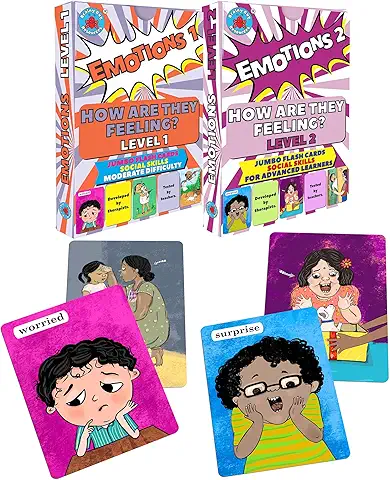
1. Emotion Flashcards
Use emotion flashcards to help your toddler identify and express their feelings. This visual tool can be a great conversation starter and a way to teach emotional intelligence.
Where to Buy: Emotions – Levels 1 and 2 | Learn 12 Emotions | with Scenario Cards
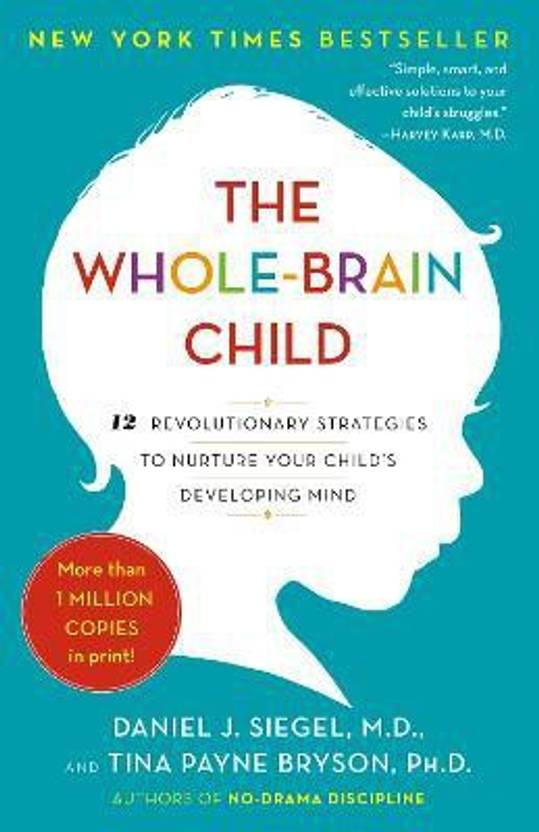
2. Positive Parenting Books
Books like The Whole-Brain Child by Daniel J. Siegel offer valuable strategies for understanding and respecting your toddler’s developing brain.
Where to Buy: The Whole-Brain Child
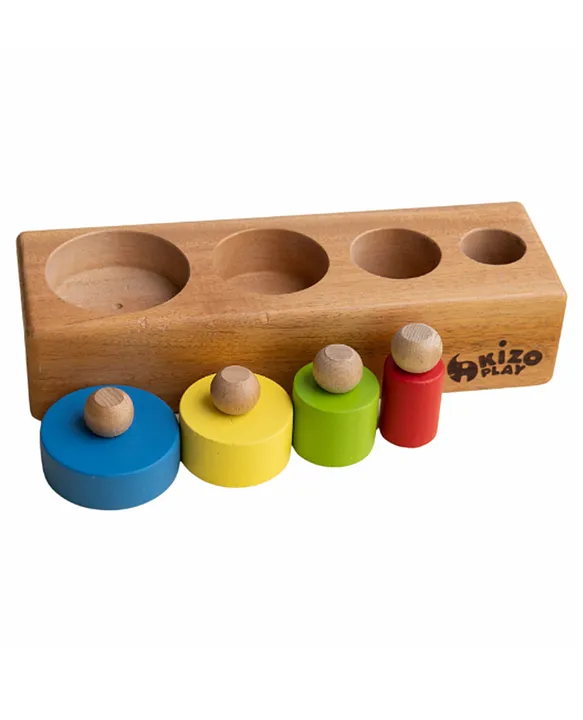
3. Montessori Toys
Montessori-based toys promote problem-solving, creativity, and independent thinking. These types of toys help toddlers learn while respecting their natural curiosity.
Where to Buy: Montessori Toys on FirstCry
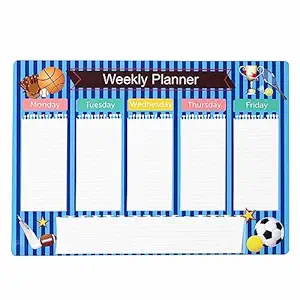
4. Toddler-Friendly Routine Charts
Routine charts help toddlers visualize daily activities, which can ease transitions and encourage independence.
Where to Buy: Routine Chart on Amazon India
Final Thoughts
Parenting a toddler is messy, beautiful, and a little wild — but it doesn’t have to be a battle of wills. When you slow down, offer choices, and validate their feelings, you’re doing more than surviving the toddler years — you’re helping your child thrive.
Remember, you don’t have to be perfect. You just have to be present.



 Beauty, Fashion, Lifestyle Tips & More..

Leave a comment