
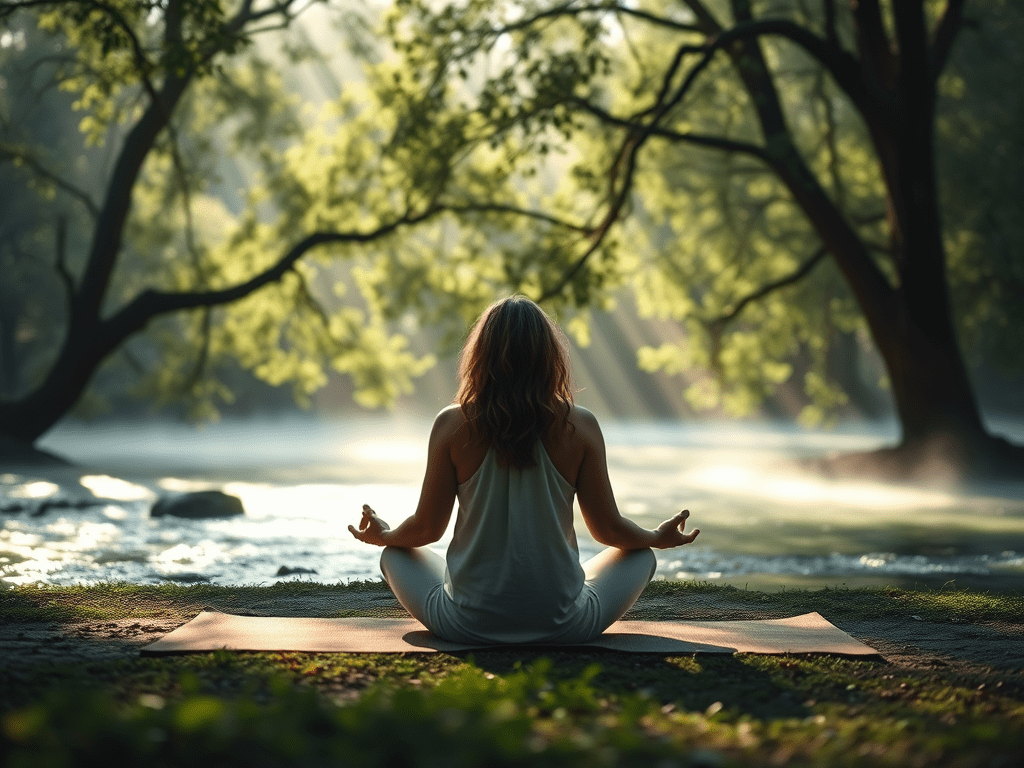
What Is Stress?
Stress is your body’s natural response to any demand or challenge — whether it’s a looming deadline, a tough conversation, or even exciting life changes. It’s not always a bad thing; in small doses, stress can actually help you stay focused and alert. But when it becomes chronic, it can start to take a serious toll on your mental and physical well-being.
How Do We Respond to Stress?
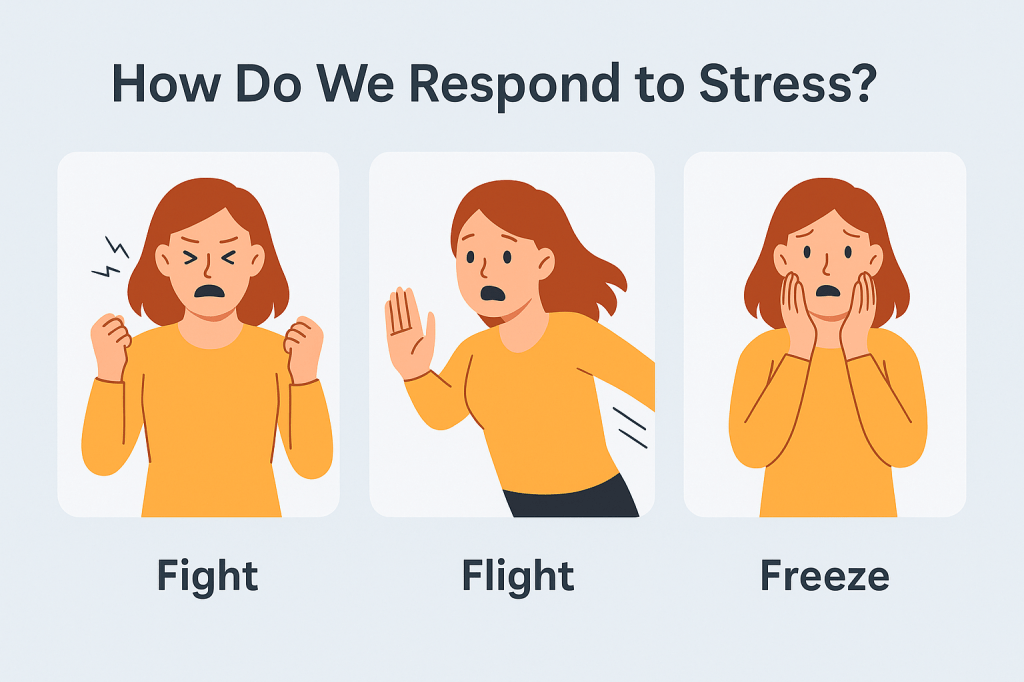
When you’re stressed, your body releases hormones like cortisol and adrenaline, triggering what’s often called the “fight or flight” response. Your heart beats faster, muscles tense up, and your mind goes into overdrive. While this response is helpful in short bursts, being in this state for too long can lead to symptoms like:
- Anxiety and irritability
- Fatigue or trouble sleeping
- Headaches or muscle tension
- Weakened immune system
Everyone reacts to stress differently. Some people might feel overwhelmed and shut down, while others become restless or irritable. That’s why learning how to manage stress effectively — especially through mindfulness — can make a big difference in how you feel day to day.
In today’s always-on world, stress seems to sneak into every corner of our lives—whether it’s from work, relationships, or the endless to-do lists we try to tackle each day. But there’s good news: you don’t have to let stress call the shots.
Mindfulness offers a gentle, effective way to slow down and reconnect—with yourself, your breath, and the present moment. And the best part? Anyone can do it, anytime, anywhere.
Here are five powerful mindfulness techniques to help you reduce stress and feel more grounded, plus a few helpful tools to enhance your practice.
1. Start with Mindful Breathing
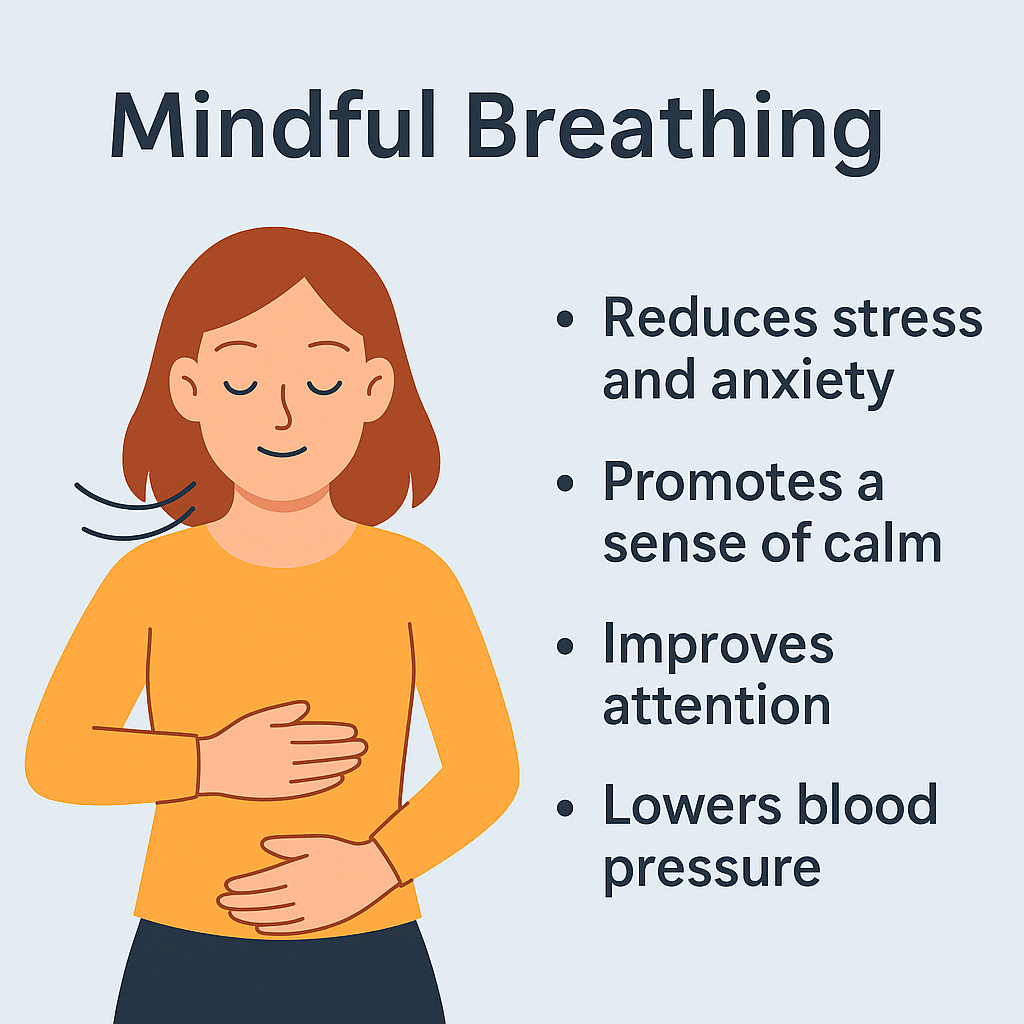
Sometimes the best way to calm your mind is as simple as tuning int o your breath. Mindful breathing anchors you to the here and now, helping quiet racing thoughts and lower your stress levels.
How to Practice:
- Sit comfortably in a quiet place
- Close your eyes and take a slow, deep breath in through your nose
- Exhale gently through your mouth
- Focus on the sensation of the air moving in and out of your body
- If your mind drifts (it will), gently bring your attention back to your breath
💡 Pro Tip: Use a calming essential oil to create a relaxing atmosphere while you breathe.
Benefits of Mindful Breathing (Backed by Science)
1. Reduces Stress and Cortisol Levels
A study published in Frontiers in Human Neuroscience found that controlled breathing reduces cortisol, the primary stress hormone, and activates the parasympathetic nervous system — which helps your body relax.
🔗 Study Link – Frontiers in Human Neuroscience (2017)
2. Improves Focus and Cognitive Function
Harvard researchers have shown that mindfulness practices, including mindful breathing, increase grey matter density in areas of the brain associated with learning, memory, and emotion regulation.
🔗 Harvard Gazette Summary – Meditation changes the brain
3. Lowers Blood Pressure and Heart Rate
A study in the Journal of the American Heart Association found that slow, deep breathing helps reduce blood pressure and resting heart rate, which contributes to overall cardiovascular health.
🔗 JAMA Article Summary – Breathing and Heart Health
4. Reduces Anxiety and Depression Symptoms
According to research in The Journal of Clinical Psychology, mindful breathing reduces symptoms of anxiety and depression by calming the mind and reducing overactivity in the amygdala — the brain’s fear center.
Study Link – Wiley Online Library (2020)
How Mindfulness Helped Me Deal With Stress
“In my own life, I turned to mindfulness during one of the most overwhelming times—juggling a full-time job, family responsibilities, and personal goals. I started with just 5 minutes of mindful breathing each morning. Within a few weeks, I noticed a big shift—I was more present, less reactive, and more patient with myself and others.
This small daily ritual became a lifeline I didn’t know I needed. It reminded me that even on the busiest days, I could find calm in the chaos.”
Also, learn how to manage anger.
2. Try a Body Scan Meditation
When we’re stressed, we often carry tension in our bodies without even realizing it. A body scan helps you tune in, release that tension, and reconnect with how you’re physically feeling.
How to Practice:
- Lie down in a quiet space or sit in a comfortable chair
- Close your eyes and take a few grounding breaths
- Slowly move your awareness from the top of your head down to your toes
- Notice sensations, tension, or discomfort—without judgment
- Spend a few moments with each area before moving on
3. Bring Mindfulness into Movement
Not all mindfulness has to happen in stillness. Gentle movement—like yoga, tai chi, or even a mindful walk—can help you tune into your body and clear your mind.
How to Practice:
- Find a quiet space where you can move freely
- Try slow, intentional movements or yoga poses
- Focus on how your body feels with each motion
- Align your breath with your movement—inhale as you stretch, exhale as you release
4. Practice Mindful Eating
Eating mindfully turns everyday meals into a peaceful, grounding ritual. It helps you slow down, appreciate your food, and avoid stress-eating or distractions.
How to Practice:
- Eat in a quiet, screen-free space
- Take small bites, chew slowly, and really taste each bite
- Notice the textures, aromas, and flavors
- Take a moment to reflect on the journey your food took to reach your plate
💡 Try This: Light a scented candle or diffuse essential oils while you eat for an added calming effect.
5. Try Loving-Kindness Meditation
Also called “metta” meditation, this practice is all about sending positive thoughts—first to yourself, then to others. It’s incredibly soothing and helps reduce negative self-talk and tension.
How to Practice:
- Sit comfortably and close your eyes
- Repeat kind phrases silently to yourself like:
“May I be happy. May I be healthy. May I be at peace.” - Gradually extend those wishes to loved ones, acquaintances, and even people you struggle with
💡 Mindfulness Bell Tip: A soft chime can signal the start and end of your meditation, helping you stay present.
Make Mindfulness a Daily Habit
The real secret? Consistency. Even just 5–10 minutes a day can make a difference. Whether it’s during your morning coffee, in the middle of a hectic workday, or right before bed—find what works for you and build it into your routine.
How to Start If You’re a Beginner
Starting mindfulness can feel intimidating, but the key is to keep it simple. Here’s how you can begin:
- Start small: Just 2-5 minutes a day is enough in the beginning.
- Pick a trigger: Tie it to something you already do—like brushing your teeth or having your morning coffee.
- Don’t aim for “no thoughts”: Instead, just notice your thoughts and gently return to your breath.
- Use free tools: Apps like Insight Timer or YouTube videos offer free guided sessions that are beginner-friendly.
🧠 Scientifically Proven Benefits of Mindfulness
1. Reduces Stress and Anxiety
A meta-analysis of 38 randomized controlled trials found that mindfulness significantly reduces anxiety, depression, psychological distress, and stress levels. PMC
Additionally, a study published in Frontiers in Psychology revealed that each unit increase in mindfulness predicted a 0.52 unit decrease in stress, indicating a strong inverse relationship between mindfulness and stress. Frontiers
2. Improves Sleep Quality
An 8-week Mindfulness-Based Stress Reduction (MBSR) program was shown to benefit psychological well-being and sleep quality among participants. Frontiers
3. Enhances Emotional Regulation
Research indicates that MBSR can effectively reduce depression levels and improve emotion regulation, particularly among elderly individuals. BioMed Central
4. Boosts Work Engagement
A study found that mindfulness is associated with lower perceived stress and higher work engagement, suggesting benefits in professional settings. Wikipedia
Recommended Mindfulness Products in India
Here are some products that can support your mindfulness journey:
Meditation Cushion
Provides comfort during prolonged meditation sessions, helping maintain proper posture.
Best Choice: Meditation Cushion Pillow with Removable Cotton Cover

Aromatherapy Essential Oils
Scents like lavender or eucalyptus can create a calming environment conducive to mindfulness practice.
Best Choice: Eucalyptus Essential Oil

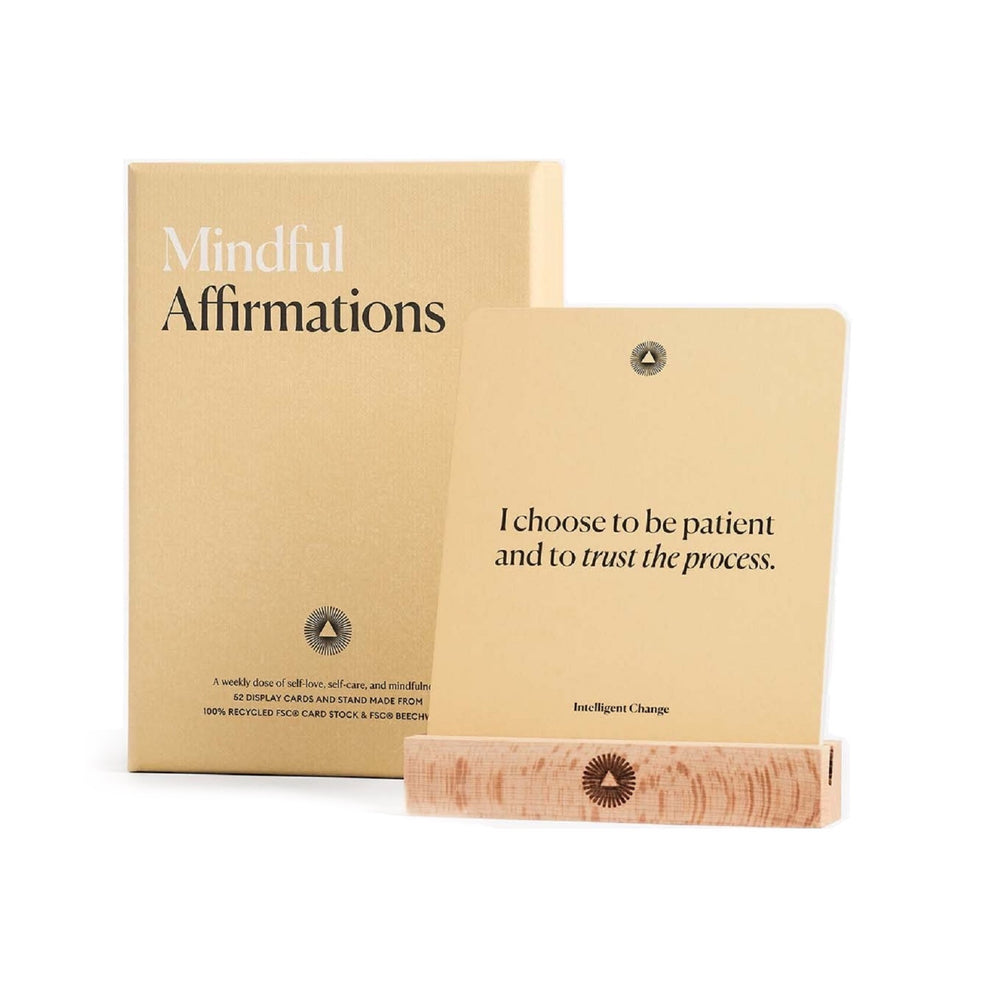
Mindfulness Journal
A dedicated space to reflect on your mindfulness journey, track progress, and express gratitude.
Best Choice: Mindful Affirmations
Guided Meditation App
Offers structured meditation sessions for beginners and experienced practitioners alike.
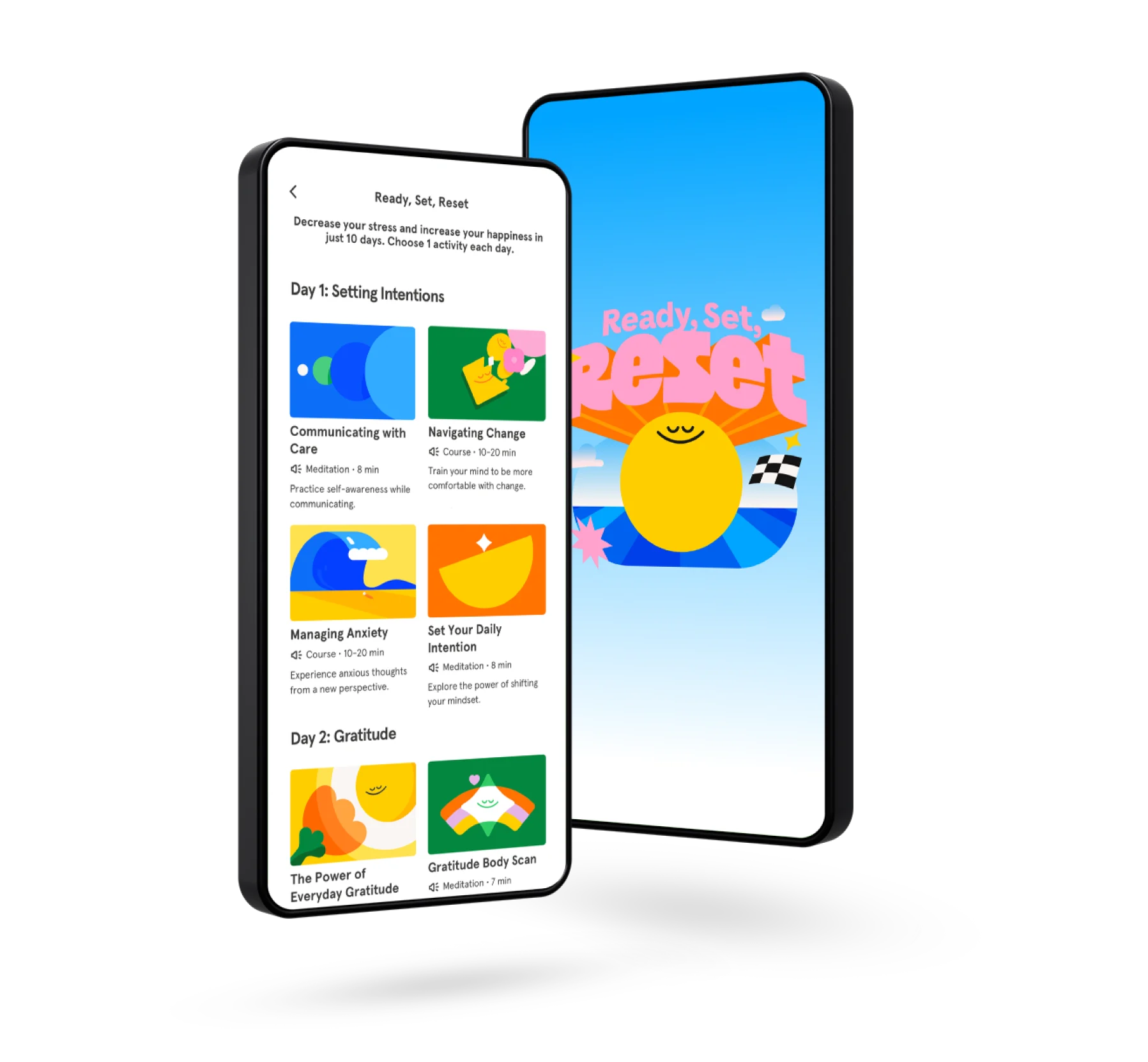
Best Choice: Headspace
Mindfulness Bell
Used to signal the beginning and end of meditation sessions, aiding in focus and concentration.
Best Choice: Musical Instrument For Meditation With Stick And Cushion

Mindfulness isn’t about stopping your thoughts—it’s about noticing them and gently choosing where your focus goes. With time, patience, and practice, these techniques can help you create more space in your day, more calm in your body, and more peace in your mind.
Start small. Stay kind to yourself. And remember—you deserve to feel calm, centered, and in control.
Frequently Asked Questions
What is mindfulness, and how does it help with stress?
Mindfulness is the practice of being fully present in the moment without judgment. It helps reduce stress by calming the mind, lowering cortisol levels, and improving emotional awareness. Practicing mindfulness regularly can help you respond to challenges with a clear and balanced mindset.
Can mindfulness really lower anxiety?
Yes, many studies support this. Mindfulness techniques like deep breathing, body scanning, and meditation have been shown to reduce symptoms of anxiety by calming the nervous system and improving focus on the present rather than future worries.
How long should I practice mindfulness each day?
Even 5–10 minutes a day can make a difference. If you’re new, start small and gradually build up. Consistency is more important than duration.
Do I need to meditate to be mindful?
Not at all. While meditation is one form, mindfulness can also be practiced while eating, walking, or even washing dishes—by simply being fully present and aware of your actions.
How fast can I feel the benefits of mindfulness?
Some people notice a difference after a single session, while for others it may take a few weeks. The key is regular practice—just like exercising a muscle, mindfulness strengthens your mental resilience over time.




 Beauty, Fashion, Lifestyle Tips & More..
Leave a comment